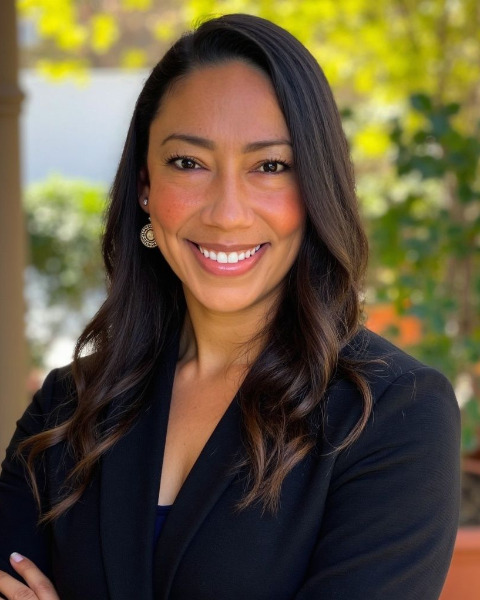
Professor Emerita and Research Professor University of Arizona College of Nursing, Arizona
Background & Introduction: Remotely delivered tobacco cessation trials have the potential to expand access; however, challenges with participant enrollment, adherence, and retention persist. This study examined individual and neighborhood-level factors associated with engagement in a remotely delivered pragmatic tobacco cessation randomized controlled trial.
Methods: This secondary analysis used data from a two-arm, remotely delivered pragmatic randomized controlled trial (NCT05277831). Adults who smoke were recruited between October 2022 and July 2024 through quitlines, recruiting firms, and community outreach in Arizona, New York, and West Virginia. Participants were block-randomized to a behavioral cessation intervention or behavioral plus guided imagery intervention. Data were collected via online self-report questionnaires. Outcomes included enrollment (completion of Session 1), adherence (completion of ≥4 of 6 sessions), and 3-month retention. Multivariable logistic regression models estimated adjusted odds ratios (AORs) for demographic, clinical, and neighborhood disadvantage factors.
Results: Among 1,595 randomized participants, 1,209 enrolled (75.8%), 914 were adherent (75.6%), and 1,046 were retained at 3 months (86.5%). Participants had a mean age of 50 years; 65% were female, 77% identified as White, and approximately 35% had a high school education or less. Enrollment was lower among males (AOR=0.76, 95% CI: 0.60–0.97), individuals with less education (AOR=0.74, 95% CI: 0.57–0.96), and those residing in more disadvantaged neighborhoods (AOR=0.99, 95% CI: 0.98–0.99). Adherence was higher with older age (AOR=1.02, 95% CI: 1.01–1.03) but lower among individuals with multiple household smokers, lower education, and substance use. Retention was lower among participants with a non-English primary language (AOR=0.36, 95% CI: 0.14–0.92), multiple household smokers (AOR=0.88, 95% CI: 0.79–0.98), lack of a high school education (AOR=0.39, 95% CI: 0.23–0.65), and substance use (AOR=0.40, 95% CI: 0.20–0.81).
Conclusion & Discussion: Engagement in remotely delivered tobacco cessation trials varied by sociodemographic, clinical, and neighborhood factors. These findings underscore the need for continued research to inform trial designs and engagement strategies that promote equitable participation and retention in remote addiction treatment studies.
References: 1. Coffee Z, Hsu CH, Sheffer C, Giacobbi P, Marano KM, Barraza Y, Gordon JS. Factors associated with enrollment, adherence, and retention in a remotely delivered tobacco cessation randomized controlled trial. Tobacco Prevention & Cessation. In press, 2026. 2. Gordon JS, Armin JS, Giacobbi JP, Hsu C-H, Marano K, Sheffer CE. Testing the Efficacy of a Scalable Telephone-Delivered Guided Imagery Tobacco Cessation Treatment: Protocol for a Randomized Clinical Trial. JMIR research protocols. 2023;12:e48898-e48898. doi:10.2196/48898 3. Gordon JS, Bell ML, Armin JS, Giacobbi PR, Nair US. A telephone-based guided imagery tobacco cessation intervention: results of a randomized feasibility trial. Transl Behav Med. 2021; 4. Graham AL, Cha S, Cobb NK, Fang Y, Niaura RS, Mushro A. Impact of seasonality on recruitment, retention, adherence, and outcomes in a web-based smoking cessation intervention: randomized controlled trial. J Med Internet Res. 2013;15(11):e249-e249. doi:10.2196/jmir.2880 5. Schnoll R, Barrila GM, Dalsimer S, et al. Treatment adherence in a smoking cessation clinical trial for individuals with current or past major depressive disorder: Predictors and association with cessation. Addict Behav. 2023;143:107686-107686. doi:10.1016/j.addbeh.2023.107686
Disclosure(s):
Zhanette Coffee, PhD, APRN, FNP-C, CARN-AP: No financial relationships to disclose
Judith S. Gordon, PhD: No financial relationships to disclose
Learning Objectives:
Identify individual, household, and neighborhood-level factors associated with enrollment, adherence, and retention in a remotely delivered tobacco cessation randomized controlled trial.
Describe how sociodemographic characteristics and social context (e.g., education, language, household smoking exposure, neighborhood disadvantage) are associated with engagement outcomes in remote cessation research.
Discuss implications for future research and trial design with a focus on enhancing equity and representation in remotely delivered addiction treatment studies.